


- Case of Clade I mpox identified in San Francisco linked to international travel
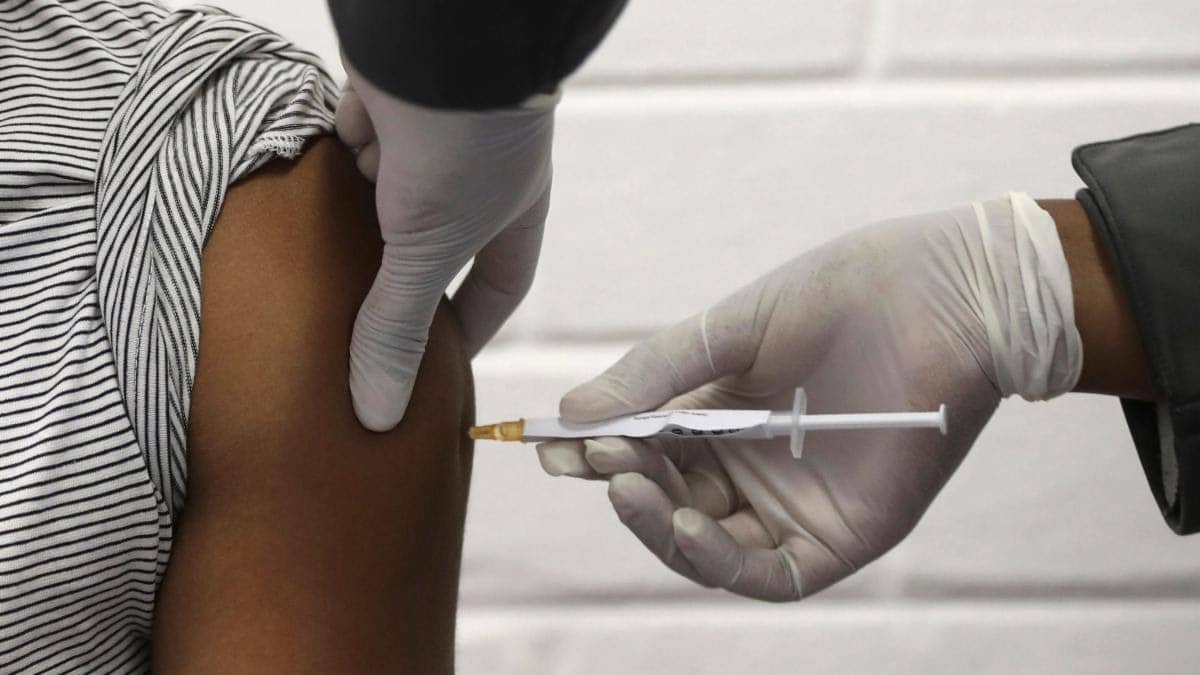
What You Need to Know: CDPH is encouraging Californians at high risk for mpox to get vaccinated in light of rising cases across the state, including the first travel-related case of Clade I mpox identified in San Francisco. While risk to the general public remains low, at-risk Californians can protect themselves by getting both doses of the mpox vaccine. Vaccination provides the best protection against mpox and can prevent both Clade I and Clade II.SACRAMENTO – The California Department of Public Health (CDPH) is strongly encouraging anyone at high risk for mpox to get vaccinated as cases are rising statewide and following a case of Clade I mpox in San Francisco. That case occurred in an unvaccinated individual who reported close contact with someone who had recently traveled internationally to an area where Clade I mpox is circulating. The individual was hospitalized and is improving.
“CDPH is closely monitoring mpox activity across California. While Clade I cases remain uncommon, Clade II mpox continues to circulate and we’re seeing rising cases,” said Dr. Erica Pan, CDPH Director and State Public Health Officer. “This reinforces how important it is for people at higher risk to get both doses of the mpox vaccine. With summer travel and large events approaching, now is the ideal time to protect yourself if you or your sex partner may be at risk.”
This is the seventh identified Clade I mpox case in California since November of 2024, and the first in San Francisco. Public health officials are conducting enhanced surveillance and contact tracing to identify any additional cases and prevent further transmission.
Recent data has also shown that cases of Clade II mpox, which is different from Clade I and has been circulating at low levels in California and the U.S. since 2022, are on the rise. So far in 2026, California is experiencing more than double the average weekly number of Clade II cases compared to the same period in previous years – 14.5 weekly cases in 2026 compared to 5.8 in 2024 and 3.4 in 2025. Most of these infections have occurred among people who were unvaccinated.
Clade I differs from Clade II, but vaccination provides protection against both. Most Clade I cases in the U.S. have been linked to international travel or close contact with travelers from areas where the virus is circulating, including parts of Europe. Clade I infections can be severe, and the risk of severe disease and hospitalization is highest among people with weakened immune systems.
CDPH strongly encourages those at higher risk for mpox to receive both doses of the mpox vaccine. Vaccination provides the best protection against mpox and is effective against both Clade I and Clade II.
About mpox:
Mpox is an infection caused by the monkeypox virus. There are two types of mpox, Clade I and Clade II. Both types cause similar symptoms and can be prevented using the same methods and vaccine. Mpox mainly spreads through close contact to a person who has mpox infection. This includes:
- Intimate physical contact such as massages, cuddling, or sex (oral, anal, or vaginal)
- Direct skin-to-skin contact with the rash, scabs, or body fluids that touched sores
- Sharing a living space or personal items with someone who has mpox
- Spread from a pregnant person with mpox to the fetus or baby
- Casual contact, like one might have in an airplane, office or store is unlikely to spread mpox.
Both clades may present with flu-like symptoms such as fever or chills, swollen lymph nodes, exhaustion or fatigue, muscle aches, headaches, or backaches, sore throat, nasal congestion or cough followed by a rash. Mpox is diagnosed through laboratory testing. For either clade, vaccination lowers the chances of getting mpox and having severe disease. The risk of severe mpox disease and hospitalization is highest for people with weakened immune systems. People who have a weakened immune system can get the mpox vaccine if they or their sex partner(s) may be at risk for mpox.
What you can do to protect yourself:
Both clades of mpox can spread person-to-person through close physical contact with someone who has mpox, and vaccination is recommended to protect Californians who may be at risk for mpox. The vaccine is safe and effective at preventing severe mpox illness and reducing chance of infection from both clade I and clade II mpox.
- Get vaccinated if you may be at risk. A full list of risk factors is available on CDPH’s Who should get the mpox vaccine? webpage.
- Two vaccine doses are recommended. Boosters are not currently recommended. Find mpox vaccine (JYNNEOS) near you.
- If you are exposed to mpox: Get the mpox vaccine as soon as possible and before symptoms develop. Avoid intimate contact for 21 days, if possible.
- If you develop symptoms of mpox: Talk to your health care provider right away and ask for mpox testing. Tell your doctor about any recent travel outside the United States.
- If you have mpox: Isolate at home and avoid contact with others until the rash is healed, clean and disinfect shared areas in your home, and notify people who may have been exposed.
- Avoid skin-to-skin contact and do not share items with people who have a rash or sores that look like mpox.
- If caring for someone with mpox: Use masks, gowns, and gloves to protect yourself from getting infected.
- Learn more about ways to protect yourself and your partner(s) if you are sexually active.
For health care providers:
Health care providers should incorporate assessments for mpox risk and vaccination status into all sexual health visits, as well as consider mpox testing for sexually active patients with compatible signs and symptoms (PDF), regardless of vaccination status or prior infection. Vaccination is also recommended for patients prior to travel to a country where clade I mpox is spreading between people if sexual or intimate contact is anticipated. This includes parts of Europe.
Additional information for health care providers is available on CDPH’s Mpox Guidance for Health Care Providers webpage.

 WeEvolveIT